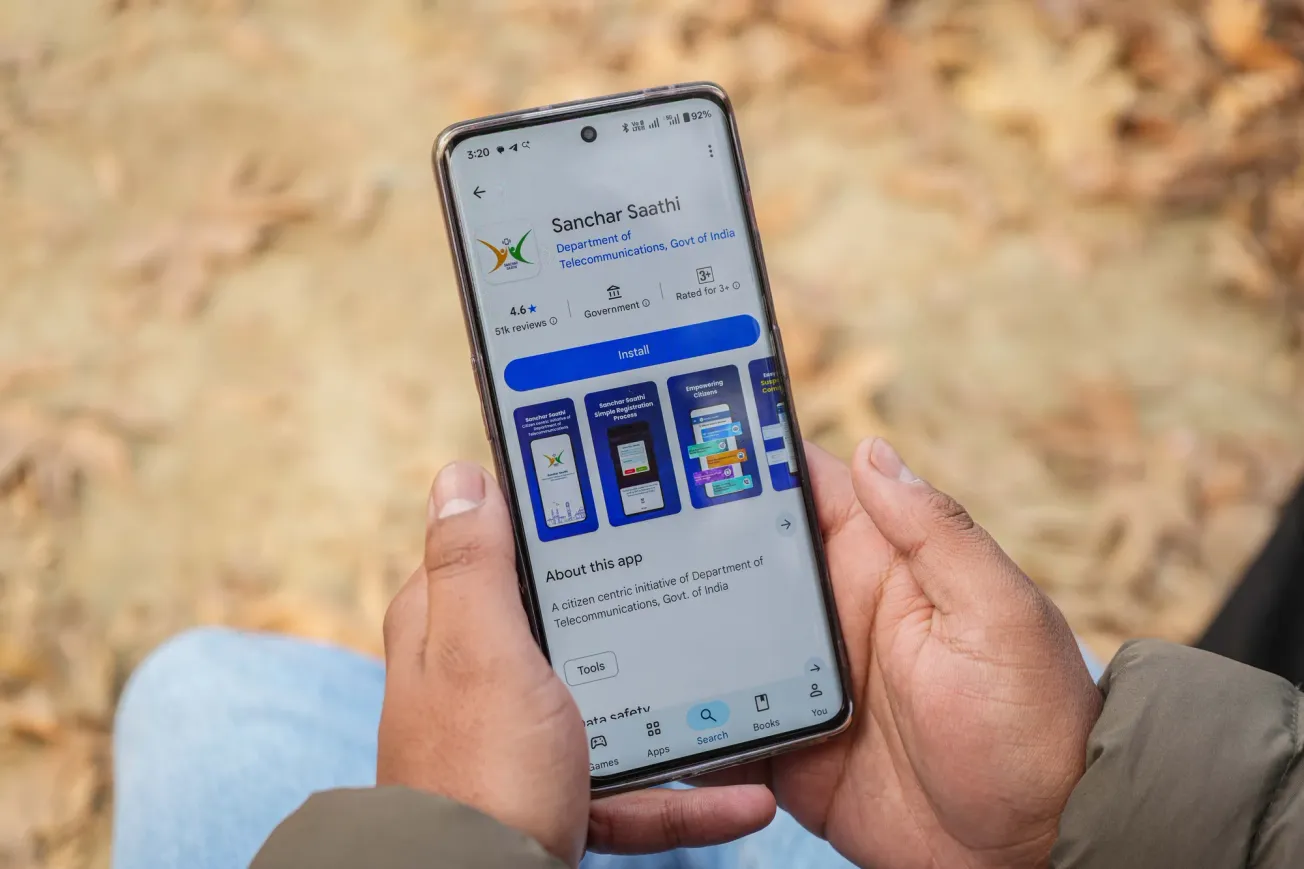
New Delhi — The Indian government has ordered that all new smartphones come pre-loaded with a state-run cybersecurity app, assuring the public there is absolutely nothing to worry about as long as they “live a clean, patriotic, and emotionally uncomplicated life.”
Prime Minister Narendra Modi dismissed privacy concerns during a press conference held in front of a 40-foot banner reading, “TRUST US MORE.”
“The government will certainly not track everywhere you go with GPS,” Modi said, blinking slowly. “We will also not watch which apps you open, collect your messages, monitor your calls, or discreetly observe your facial expressions to determine your loyalty level. Anyone who believes otherwise must be spending time in the wrong places with the wrong people… which the app would help us identify if we were that sort of government, which, again, we are not.”
The app, titled Sanchar Saathi, asks for a series of permissions so extensive that one user described them as “less like cybersecurity and more like onboarding into a witness protection program run by the people you’re hiding from.”
The requested permissions included access to camera, microphone, contacts, GPS, browsing history, payment apps, and sleep data. Attempting to deny any permission simply causes the phone to dim and display the message: “Permission must be granted for your safety. And for your family’s safety.”
Tech experts also noted that the app’s terms of service includes a legally binding section titled “You Agree That Privacy Is an Outdated Western Notion and You’re Better Off Without It.” Inside is a sentence buried in the middle of page 38 that states: “User consents to national supervision for stability, harmony, and other concepts we may define or invent later.”
Opposition leaders condemned the move as a massive expansion of government surveillance. In response, the Ministry of Home Affairs released a statement calling the criticism “dangerous misinformation” and urging citizens to report anyone who spreads it.